
The Best Time to Buy or Sell a Property in Downtown Boise in 2026
DOWNTOWN BOISE
Klark Kent Sparks
2/12/20267 min read

Introduction to the Boise Real Estate Market
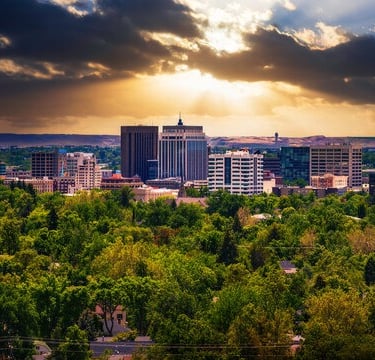
The real estate market in Downtown Boise has experienced significant transformations over the past few years. As one of the fastest-growing cities in the United States, Boise has continuously attracted new residents and investors, contributing to an increasingly competitive property landscape. The influx of people, drawn by the city’s remarkable quality of life, outdoor recreation opportunities, and vibrant culture, has put upward pressure on both housing demand and prices.
Current trends indicate that downtown Boise is witnessing a surge in property values. According to recent reports, median home prices have risen steadily, reflecting a strong buyer's market. Increased construction activity, ranging from residential units to commercial developments, indicates a vibrant economy poised for sustained growth. Moreover, the demand for urban living has paved the way for new lifestyle amenities, attracting a diverse demographic, including young professionals, families, and retirees.
Looking ahead to 2026, several factors suggest that the Boise real estate market will continue its upward trajectory. Predictions highlight a steady job market fueled by blossoming tech and entrepreneurial sectors. This job growth is expected to further enhance the desirability of the area, presenting significant opportunities for property investors and first-time homebuyers alike. Additionally, urban development plans outlined by city officials aim to improve infrastructure and public services, thereby making downtown an even more appealing place to live.
In this evolving landscape, potential buyers and sellers must stay informed about market conditions and anticipate fluctuations in property values. The dynamics of the Boise real estate market will ultimately shape their strategies in navigating the purchasing and selling processes. As we delve deeper into specifics regarding the optimal timing for real estate transactions, understanding these foundational aspects will prove essential in making informed decisions.
Understanding Seasonal Trends in Real Estate
The real estate market in Downtown Boise is influenced by various seasonal trends that can significantly impact the buying and selling experience. Typically, the spring months, especially from March to June, see a surge in property listings and sales activity. This increase is attributed to multiple factors, including the favorable weather conditions, as well as families who prefer to relocate before the new school year begins. During this season, buyers often encounter a wider selection of properties, making it an advantageous time for purchasing a home in Boise.
Conversely, the summer months can also be busy, particularly June and July, but this period can be marked by higher competition among buyers and potentially inflated prices. As a result, those looking to sell in the summer might find themselves in a favorable position to negotiate for higher offers. However, it is important to note that homes might linger on the market longer as the summer progresses, especially in August when many families are focused on back-to-school preparations.
As the calendar shifts to fall and winter, from September through February, the Boise real estate market typically experiences a slowdown. This seasonal change brings fewer listings and buyers, creating potentially unique opportunities for discerning investors and buyers. Particularly in the late fall and winter months, sellers might benefit from less competition, leading to favorable negotiation conditions. For those considering the best times to buy or sell in 2026, understanding these patterns will be crucial in making informed decisions applicable to the local climate.
Market Factors Influencing Buying and Selling Times
When evaluating the optimal timing for buying or selling property in Downtown Boise, several market factors must be taken into account. One of the most critical influencers is interest rates. Lower interest rates can make borrowing more affordable for potential buyers, which can spur demand for homes. Conversely, higher rates may deter buyers, leading to a slowdown in transactions. In 2026, monitoring shifts in national interest rates as well as localized financial trends will provide valuable guidance for both buyers and sellers.
Additionally, economic conditions play a significant role in determining the real estate market's momentum. A robust local economy often leads to increased consumer confidence and, consequently, more home purchases. In contrast, economic uncertainty may lead individuals to postpone buying decisions. Analyzing Boise’s unemployment rates, wage growth, and overall economic performance will yield insights into the housing market's health in 2026.
Housing inventory is another crucial factor that influences timing. A balanced market typically has sufficient inventory to meet demand without leading to bidding wars. However, low inventory levels can create competition among buyers, driving prices upward. In contrast, high inventory may grant buyers leverage but can lead to stagnant prices. Keeping an eye on new developments, housing starts, and the overall supply of homes in Downtown Boise will equip potential sellers and buyers with the necessary information to make informed decisions.
Population growth also markedly affects property transactions. A growing population often correlates with increased demand for housing, making it an ideal time for sellers to enter the market. Conversely, a decline in population can lead to reduced interest in home purchases. By understanding the demographic trends in Boise, including migration patterns and urban development, stakeholders can better anticipate the timing for property transactions in the upcoming year.
The Role of Local Events and Developments
As the downtown Boise real estate market evolves, several local events and developments are poised to significantly impact property buying and selling trends leading up to 2026. Understanding these dynamics is essential for potential buyers and sellers contemplating their strategies within this vibrant market.
One notable aspect is the anticipated urban development projects. Boise has plans to enhance public spaces, including parks and community facilities, which are expected to increase the overall attractiveness of the area. Such improvements can lead to a rise in property values as amenities become more accessible. Buyers are likely to seek properties nearby these developments, knowing that such locations offer both convenience and increased potential for appreciation.
In addition to urban development, infrastructure improvements play a crucial role in shaping the real estate landscape. For instance, upgrades to transportation networks can facilitate easier access to downtown, making it a more desirable location for both businesses and residents. Enhanced public transport options, such as light rail or expanded bus services, can drive interest from both new tenants and home buyers who prefer the convenience of urban living.
Moreover, local events, such as cultural festivals, farmers' markets, and art exhibitions, foster a sense of community and elevate the area's profile. Such events can lead to increased foot traffic and visibility, enhancing the market appeal of surrounding properties. As these happenings gain popularity, they can create a favorable environment for sellers looking to capitalize on heightened demand.
The combination of urban projects, infrastructure enhancements, and local events will certainly impact the buying and selling climate in downtown Boise leading up to 2026. Individuals in the market should stay vigilant and informed, as these factors will dictate the optimal timing for real estate transactions in this evolving urban center.
Buyer and Seller Strategies for 2026
As the real estate market in Downtown Boise evolves, both buyers and sellers must adopt strategic approaches to enhance their chances of success. Understanding market dynamics is paramount when determining the best time to buy or sell property in 2026. For buyers, a proactive approach should involve comprehensive market research to identify trends in pricing and inventory levels. Potential buyers should leverage online real estate platforms, attend open houses, and engage with local agents to gather relevant information. By understanding the nuances of the market, such as seasonal fluctuations, buyers can make informed decisions regarding their purchase timing.
Furthermore, negotiation techniques play a critical role; it is advisable for buyers to establish a clear budget and to be prepared to act quickly when a desirable property becomes available. Being flexible with closing dates or offering earnest money can make the offer more attractive to sellers, thereby enhancing the buyer's negotiating power. Additionally, financing options should be explored ahead of time to ensure readiness once a property is identified.
On the other hand, sellers in Downtown Boise should consider the optimal timing rooted in the local economy. Educating oneself on the peak selling seasons—historically late spring to early summer—can help sellers maximize their profit margins. Sellers should also focus on preparing their properties for sale by making necessary repairs, staging optimally, and pricing strategically. An effective pricing strategy must be aligned with comparable properties in the area to ensure competitiveness in the market.
Ultimately, sellers also benefit from being open to negotiation. While setting a firm price is important, communicating flexibility can often lead to successful sales. Collectively, these strategies allow both buyers and sellers to navigate the Boise real estate market in 2026 effectively.
Case Studies of Past Trends
The real estate market in Downtown Boise has undergone significant fluctuations in recent years, influenced by various economic factors, demographic shifts, and seasonal trends. Analyzing past data offers valuable insights for prospective buyers and sellers looking to navigate the market in 2026.
One notable case study occurred in 2020 when the COVID-19 pandemic prompted shifts in consumer behavior. During this period, the market experienced an unexpected slowdown primarily due to uncertainty and social distancing measures. However, by mid-2021, Downtown Boise saw a resurgence in both buyer and seller activity. The low interest rates combined with increased remote work opportunities led many individuals to seek properties in urban environments, ideally positioned for a balanced lifestyle.
Further analysis of data from 2015 to 2019 indicates that the spring and summer months typically yielded higher sales figures. This trend suggests that buyers are often more motivated during these months, as families prefer to relocate before the school year begins. In contrast, the winter months frequently showed reduced sales due to the holidays and harsher weather conditions affecting property viewings. Understanding these seasonal trends can help both buyers and sellers determine the optimal timing for their strategies.
Furthermore, examining price trends reveals that homes in Downtown Boise have generally appreciated over time, albeit with some volatility. For instance, in 2017, the market experienced a significant uptick in property values due to an influx of new businesses and amenities, making it a core period for investment. By monitoring past trends, prospective market participants can glean insights into when to enter the market or strategically position their properties.
Conclusion and Future Outlook
As discussed throughout this blog post, identifying the best times to buy or sell a property in Downtown Boise during 2026 requires a comprehensive understanding of market trends and variables influencing the local real estate landscape. The analysis indicates that late spring and early summer present optimal conditions for buyers and sellers alike. This period typically witnesses increased inventory, competitive pricing, and a generally favorable environment for negotiations.
Conversely, the winter months, particularly December and January, appear to be less advantageous for real estate transactions due to reduced inventory and lower activity levels among potential buyers and sellers. However, for individuals willing to navigate the quieter market during this time, there may be opportunities to secure properties at attractive prices.
It is essential for both buyers and sellers to remain vigilant and adaptable. The property market can shift due to various factors, such as changing economic conditions, interest rates adjustments, and demographic shifts. Staying informed about ongoing developments will enable real estate participants to make timely and strategic decisions. As Boise continues to grow, understanding these dynamics will be paramount in positioning oneself effectively within this evolving landscape.
Ultimately, the key to a successful transaction lies in thorough research and awareness of the surrounding market impulses. Therefore, continuous education and observation will dictate the timing of when to buy or sell properties in Downtown Boise, ensuring both parties are well-prepared to engage in the market and leverage favorable conditions.
Contact
Reach out for personalized real estate guidance.
© 2026. All rights reserved.