
Navigating Winter Living and Road Conditions in Southwest Boise
SOUTHWEST BOISE
Klark Kent Sparks
1/22/20267 min read
Understanding Winter Weather in Southwest Boise
The winter weather in Southwest Boise presents a distinctive blend shaped by the region's geographical features and climate conditions. Nestled between the Boise Mountains and the expansive high desert plains, this area experiences notable temperature fluctuations and varying snowfall patterns.
On average, winter temperatures in Southwest Boise can range from mild to chilly, often dipping below freezing at night. Daytime temperatures are typically more temperate, allowing for occasional warmer spells that can lead to melting snow. These fluctuations in temperature are a hallmark of the region, reflecting the elevation's influence and the nearby mountainous terrain which can trap and warm air during specific weather patterns.
Snowfall in Southwest Boise can be moderate to heavy, depending largely on annual weather variations. The area's proximity to the Boise Mountains contributes to its snowfall, as these mountains act as a barrier that captures moist air systems moving in from the Pacific Ocean. Consequently, snow accumulations can vary widely from year to year, impacting both the local landscape and the daily lives of residents. Average snow totals can range from a few inches in milder years to several feet during harsher winters, making it essential for residents to stay informed about forecast changes.
Moreover, the geography of Southwest Boise plays a significant role in local weather conditions. The transitional zone between the harsher winter conditions of higher elevations and the milder climate of the high desert creates unique microclimates. For instance, wind patterns are influenced by the mountain formations, which can enhance or diminish local snowfall and temperature variations. This understanding of the climatic nuances is crucial for residents preparing for winter weather challenges.
Preparing Your Vehicle for Winter Driving
As the winter months approach in Southwest Boise, it is essential for residents to prioritize vehicle preparedness for winter driving conditions. Preparing your vehicle involves several critical maintenance checks that ensure optimum performance and safety during these cold and often challenging months.
Firstly, conducting a thorough inspection of your vehicle’s essential systems is vital. This includes checking the battery, as cold weather can affect its performance. Clean any corrosion from the terminals and make sure it is securely fastened. Next, focus on your vehicle’s fluids. Ensuring that you have sufficient antifreeze is crucial for preventing engine freezing; refer to your owner’s manual for recommended levels. Beyond antifreeze, consider topping up windshield washer fluid, as maintaining visibility during winter storms is paramount.
Another key aspect to winter driving preparedness is the importance of winter tires. Winter tires are specifically designed to provide better traction on snow and ice, making them a worthwhile investment for those living in areas prone to severe winter weather. The tread pattern of winter tires enhances grip and minimizes the chances of slipping. Before the first snowfall, it’s advisable to monitor the condition of your tires and replace them if tread wear is excessive.
Create an emergency kit to keep in your vehicle during winter months as well. Include essentials like blankets, a flashlight, non-perishable snacks, and a first-aid kit, among other items. Having these tools at hand can make a significant difference should you find yourself stranded in inclement weather. Local stories often speak of residents benefiting from such preparations during unexpected snowstorms, underscoring the importance of readiness.
By being proactive and ensuring your vehicle is equipped for winter conditions, residents of Southwest Boise can navigate the winter months with greater confidence and safety.
Navigating Road Conditions During Winter Months
Winter in Southwest Boise presents unique challenges for drivers as snow and ice frequently blanket the region's roadways. It is essential to understand how these elements affect driving conditions and what measures are implemented to ensure safety on local roads. Snow accumulation can lead to hazardous travel, and road conditions can change rapidly during winter storms, making it crucial for drivers to stay informed and prepared.
The local authorities in Boise actively monitor conditions and deploy salt and sand to treat the roads in anticipation of inclement weather. Main thoroughfares, including State Highway 21 and W Ustick Road, are prioritized for salting and snow removal due to their high traffic volumes. However, secondary roads often face delays in treatment, which may result in slippery or less navigable conditions. Consequently, drivers should exercise heightened caution when navigating these less-trafficked routes.
Accumulating snow can also create challenges for visibility and traction, especially in areas with steep inclines or sharp turns. Neighborhood roads, particularly those that lack adequate drainage, may develop snowpack or ice sheets that require cautious maneuvering. Additionally, it is important to be aware of specific roads known for their treacherous conditions, such as the foothills roads leading towards the mountains, which can be particularly hazardous in winter months.
Overall, local authorities’ efforts play a vital role in managing road conditions through regular snow and ice removal. However, drivers must remain vigilant and adjust their driving habits based on current weather and road conditions—maintaining a safe distance from other vehicles, reducing speed, and being prepared for sudden changes in traction. Awareness of local challenges profoundly impacts winter driving safety in Southwest Boise.
Winter Safety Tips for Drivers and Pedestrians
As winter weather approaches, both drivers and pedestrians must prioritize safety to navigate the challenging conditions in Southwest Boise. This section outlines essential precautions to ensure a secure environment for all road users.
For drivers, the first step is to prepare your vehicle for winter driving. This includes checking your battery, ensuring tire tread is sufficient, and examining your windshield wipers and fluids. When driving in snowy or icy conditions, it is crucial to reduce your speed and maintain a safe following distance from other vehicles. Slippery roads require increased braking distance, so being vigilant and proactive can prevent accidents.
In extreme winter weather, it is advisable to avoid using cruise control, as this can lead to loss of control in slippery conditions. Instead, focus on maintaining steady, controlled acceleration and deceleration. Keeping your headlights on improves visibility for both you and other road users, particularly during overcast weather or snowfall. Moreover, be alert for black ice, especially on bridges and shaded areas, as it can be difficult to spot.
For pedestrians, remaining visible is paramount. Wear bright or reflective clothing, particularly during dusk or dawn, and utilize well-lit pedestrian pathways whenever possible. In snow-covered areas, it is important to use designated crosswalks and avoid jaywalking. Drivers might have difficulty seeing pedestrians in poor weather conditions, so maintaining awareness is vital. Pedestrians should also be cautious over salted or snowy sidewalks to minimize slips and falls.
Local pathways often remain clear, with some municipalities actively maintaining them throughout winter months. Familiarizing oneself with these routes can not only promote safety but also encourage outdoor activity despite the chill. Always stay attentive, regularly checking for approaching vehicles or other pedestrians.
Community Resources and Support During Winter
As winter descends on Southwest Boise, residents face various challenges, ranging from navigating icy roads to coping with sub-zero temperatures. Fortunately, the community offers a range of resources to help those in need during this cold season. Local snow removal services play a crucial role in maintaining accessibility within neighborhoods, ensuring that residents can safely traverse their properties and roadways. These services, often provided by city departments or private contractors, assist in keeping the community safe and functional in winter months.
Moreover, community organizations play a pivotal part in supporting individuals who struggle with harsh conditions. Non-profits such as the Boise Rescue Mission and local churches often provide essential services, including warm meals and emergency shelter, for the homeless and those in distress. These shelters offer a warm refuge for individuals or families who find themselves without adequate heating or housing. Residents are encouraged to connect with these organizations, as they help raise awareness about the importance of volunteering and providing aid to others during this challenging time.
In addition to emergency support, various initiatives aim to foster community engagement and assist those who may be isolated during winter months. Programs that focus on snow shoveling for the elderly and disabled assist individuals who may struggle with physical tasks. Local youth groups or volunteers are often called upon to lend a helping hand, creating a spirit of camaraderie within the community. Participation in these volunteer opportunities not only aids those in need but also helps in building relationships and a sense of belonging among residents.
Staying Active and Warm in Winter
Winter in Southwest Boise brings unique challenges, especially when it comes to maintaining an active lifestyle. However, residents have various opportunities to engage in physical activities and foster social connections despite the colder temperatures. The local community offers numerous indoor recreational facilities that cater to a wide range of interests. Gyms, community centers, and fitness studios provide services like group classes, swimming pools, and racquetball courts. These environments not only promote fitness but also encourage residents to meet new friends and establish supportive networks.
For those inclined towards outdoor activities, Southwest Boise features several winter sports options. Skiing and snowboarding enthusiasts can easily travel to nearby mountains, while snowshoeing and cross-country skiing are popular alternatives that allow individuals to explore the surrounding scenic landscapes. For families, activities such as sledding in local parks create joyful memories that make winter more enjoyable. Participation in these sports fosters camaraderie among community members, further enhancing the social aspect of winter activities.
In addition to sports, many community organizations and local government programs host winter events that aim to unite residents. Events such as winter festivals, craft fairs, and holiday markets not only provide entertainment opportunities but also promote local businesses and artisans. Such gatherings often include activities for all ages, encouraging family participation and community bonding during the winter months. In summary, while Southwest Boise winter weather may pose challenges, the plethora of indoor activities, outdoor sports, and community events ensure that residents can stay active, engaged, and warm amidst the chill.
Embracing the Beauty of Southwest Boise in Winter
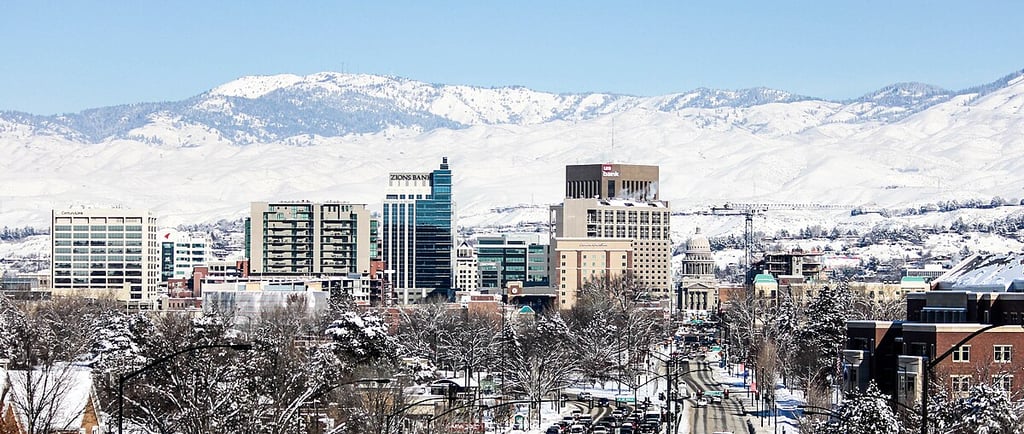
Winter in Southwest Boise transforms the landscape into a picturesque wonderland, offering a unique beauty that contrasts starkly with the bustling life of the warmer months. The region's natural scenery becomes more pronounced as a blanket of snow covers the iconic foothills and parks, making it an ideal location for winter photography enthusiasts. Iconic spots such as the Boise River Greenbelt take on a serene ambiance, with the shimmering reflections of snow on the water creating stunning visual opportunities.
Local parks, including Julia Davis Park and Ann Morrison Park, are particularly enchanting during winter months. These parks, typically vibrant with colorful flora, are blanketed in white, with snow-dusted trees providing a perfect frame for leisure activities and family outings. Enjoying a peaceful walk in these parks allows visitors to appreciate the stillness and beauty of the snowy landscapes, while also offering potential for winter sports such as sledding and ice skating when temperatures permit.
Another captivating aspect of Southwest Boise in winter is the clear, crisp air that accompanies the season. This climate allows for breathtaking views of the snow-capped mountains against clear blue skies, making it a fantastic time for hiking enthusiasts to explore trails less encumbered by crowds. In addition, vibrant sunsets can frequently lead to magical moments where the sky dons brilliant hues, enhancing the already stunning surroundings.
In conclusion, while winter can present challenges such as colder temperatures and icy roads, embracing the beauty of Southwest Boise during this season reveals its own charm. From the serene parks bathed in snow to the stunning landscapes of the foothills, winter in Boise offers numerous opportunities to appreciate the unique characteristics of the region and its natural beauty.
Contact
Reach out for personalized real estate guidance.
© 2026. All rights reserved.