
Is Downtown Boise a Good Place to Buy a Condo or Home in 2026?
DOWNTOWN BOISE
Klark Kent Sparks
2/11/20268 min read
Introduction
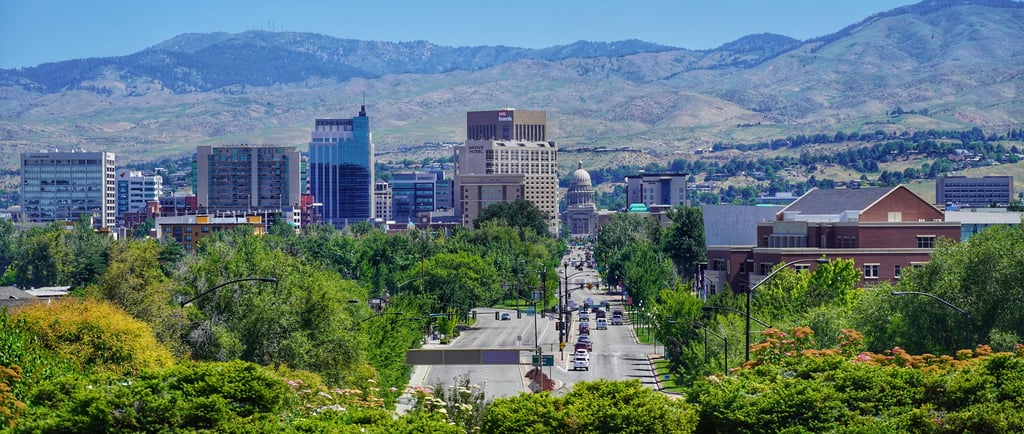
Downtown Boise, the vibrant heart of Idaho, is increasingly becoming an attractive option for those considering purchasing a condo or home in 2026. Known for its unique blend of urban charm and outdoor appeal, Downtown Boise offers residents a plethora of cultural, recreational, and dining options that cater to a diverse population.
Over the past few years, the real estate market in this area has witnessed significant growth, driven by a surge in interest from both local buyers and out-of-state investors. Factors contributing to this trend include Boise's favorable cost of living, job opportunities in various sectors, and the city's commitment to maintaining its green spaces and community feel. The rising demand for condos and homes reflects a broader trend in urban living, particularly as more individuals and families seek convenient locations that allow for a balanced lifestyle.
In this blog post, we aim to evaluate whether Downtown Boise is a good place to invest in real estate. Various factors need to be considered before making such a significant purchase. This includes examining the amenities available in the community, assessing property values and market trends, and understanding the unique characteristics that make Downtown Boise a desirable location.
Additionally, it is imperative to consider lifestyle preferences, such as proximity to workplaces, schools, and recreational activities. As the real estate market evolves in 2026, potential buyers must remain informed about the latest developments to enhance their decision-making process. By exploring these aspects, we hope to provide prospective buyers with a comprehensive overview that guides their search for a condo or home in this flourishing urban landscape.
Current Real Estate Market Trends
As of 2026, the real estate market in Downtown Boise is exhibiting notable dynamics influenced by various factors, including economic growth, demographic shifts, and changing buyer preferences. Property values have shown a consistent upward trend, reflecting a robust demand for both condos and single-family homes. In the past year alone, average prices for condos have increased by approximately 12%, bringing the median price to around $350,000. Similarly, single-family homes have seen an uplift, with average prices now hovering around $500,000, which represents a year-over-year increase of about 10%.
Investors and potential homeowners are particularly attracted by Downtown Boise's vibrant lifestyle offerings and its reputation as a growing tech hub. Currently, the inventory available has been limited, leading to competitive pricing and multiple offers on desired properties. Just over 1,500 units were listed for sale in the past quarter, which indicates a shortage as compared to the steady influx of buyers seeking new homes. The demand-supply imbalance has led to a seller's market, wherein many properties are selling within a week of listing.
Over the past few years, the market has evolved significantly, with an influx of new developments catering to the preferences of millennials and young professionals. The construction of modern condos, equipped with amenities and located in strategic locations, has become a hallmark of the area. Furthermore, the local government has implemented regulations to encourage sustainable development, ensuring that growth aligns with community needs. As such, investing in Downtown Boise's real estate seems promising, given these favorable conditions and a projected continued growth trend.
Quality of Life in Downtown Boise
Living in Downtown Boise offers a unique blend of urban convenience and small-town charm, making it an ideal location for those considering purchasing a condo or home in 2026. The area boasts a rich cultural scene, vibrant community events, and an array of amenities that contribute to an exceptional quality of life.
One of the key characteristics of Downtown Boise is its accessibility to parks and outdoor recreation. With numerous green spaces like Julia Davis Park and Boise River Greenbelt, residents can enjoy outdoor activities year-round, from jogging and biking to leisurely strolls. These parks also serve as venues for community gatherings and events, further enhancing the sense of community among residents.
In addition to natural amenities, Downtown Boise is home to a variety of cultural institutions. The Boise Art Museum and the Idaho State Museum offer art exhibitions and historical insights, while numerous theaters showcase local and national performances. This cultural richness not only entertains but also encourages community engagement and appreciation for the arts, appealing to potential homebuyers looking for a dynamic lifestyle.
Culinary enthusiasts will find a diverse offering of restaurants and cafes within Downtown Boise. From local delicacies to international cuisine, the culinary scene caters to various tastes, fostering a vibrant dining culture. The presence of coffee shops and eateries makes it easy for residents to relax, socialize, and enjoy the local fare, contributing to a welcoming atmosphere.
The downtown area also hosts numerous community events such as farmers markets, art walks, and seasonal festivals that bring residents together. This participatory spirit fosters a strong sense of belonging and connectivity among neighbors, essential components for anyone contemplating making Downtown Boise their home.
Comparison with Other Neighborhoods
When considering a purchase in Downtown Boise, it is essential to compare it with other neighborhoods within both the immediate area and the greater Boise region. Downtown Boise is renowned for its vibrant culture, bustling nightlife, and proximity to various amenities. The average home price in Downtown is typically higher than in surrounding neighborhoods such as Boise's North End or the more suburban areas of Meridian and Eagle.
In Downtown Boise, the price points for condos often start around $300,000 and can ascend well above $1 million depending on the property’s location and features. This is significantly higher than the North End, where you can find older homes that still boast character at a similar entry price, though they may require renovations.
A major advantage of living in Downtown Boise is the robust array of amenities. Residents have immediate access to parks, grocery stores, restaurants, and entertainment venues, making urban living convenient. The nightlife is particularly appealing to young professionals and those who appreciate an active social scene. In contrast, suburbs like Meridian offer a quieter lifestyle with family-oriented amenities and highly-rated schools, which may attract families more than singles.
Commutes in Downtown are typically shorter, making it more suitable for those who work in or near the city center; however, this also means an increase in traffic congestion, especially during peak hours. On the other hand, areas like Eagle provide a more relaxed atmosphere, though the commute can be longer for those working in Downtown. Community services in Downtown Boise are readily accessible, while suburban neighborhoods might offer more extensive outdoor spaces and recreational areas.
In conclusion, choosing whether to buy a condo or home in Downtown Boise versus other neighborhoods depends on lifestyle preferences, commuting needs, and budget considerations. Each area offers unique advantages and disadvantages, making it essential for potential buyers to assess their priorities carefully.
Investment Potential in the Downtown Area
The investment potential of purchasing a condo or home in Downtown Boise by 2026 appears promising, driven by several factors that are likely to influence rental demand and property valuation. Firstly, the trend of increasing urbanization in Boise indicates a robust demand for housing, particularly among young professionals and families seeking proximity to amenities and employment opportunities.
The short-term rental market has also shown significant growth, with platforms like Airbnb becoming increasingly popular as tourists and business travelers flock to the area. Given Downtown Boise's vibrant culture, local events, and attractive lifestyle offerings, properties in this locale are becoming hot commodities for investors interested in short-term rental opportunities.
Moreover, the city government has been actively investing in urban development projects, which plays a crucial role in enhancing the area's appeal to potential buyers and renters alike. Initiatives such as the Boise River greenbelt expansion, improved public transportation options, and the introduction of mixed-use spaces are expected to contribute to overall appreciation rates of properties in Downtown Boise.
According to real estate reports, the average appreciation rate for homes in the last few years has outperformed many other metropolitan areas in the region, suggesting a positive trend that could continue into 2026. Investors can also capitalize on the economic growth witnessed in the area, as more businesses set up shop in Downtown Boise, creating a balanced demand for both rental properties and residential sales.
In this context, buying property in Downtown Boise not only stands as a viable investment choice but is likely to yield substantial returns influenced by ongoing urban development and rising rental demands. Careful consideration of these trends will inform potential buyers and investors about the promising prospects waiting in this thriving metropolitan hub.
Challenges of Buying in Downtown Boise
Buying a property in Downtown Boise may present several challenges that potential buyers should consider before making a significant investment. One of the primary concerns is the fluctuation of the real estate market. While Downtown Boise has experienced growth in property values, it is essential for buyers to conduct thorough research to identify trends, including potential economic downturns that could lead to depreciation in property values.
Another aspect to consider is the maintenance costs associated with condominium living. These costs can be variable, impacting monthly budgets. Buyers should evaluate not only the purchase price of the condo but also the ongoing expenses such as repairs, upgrades, and utilities that could affect overall affordability. A comprehensive understanding of these maintenance obligations is vital to ensure financial stability in the long term.
Homeowner association (HOA) fees are another critical component buyers need to assess. These fees, which often cover amenities and community services, can vary significantly. Buyers should inquire about what these fees include and how they contribute to overall living experience in Downtown Boise. Understanding the financial dynamics of being part of an HOA may prevent unexpected costs later on.
Moreover, urban living comes with its own set of implications, such as noise, limited outdoor spaces, and parking challenges. Potential buyers must weigh their lifestyle preferences against these urban factors. For those who prioritize access to city amenities over tranquility, the vibrant Downtown Boise environment may be appealing. However, it is crucial for buyers to balance their desire for urban experiences with the realities of living in a bustling area.
To navigate these challenges effectively, potential buyers should engage with local real estate professionals who can provide insights and advice tailored to the Downtown Boise market. Making informed decisions based on comprehensive market analysis, understanding costs associated with property ownership, and considering lifestyle preferences are all essential for a successful investment in Downtown Boise.
Conclusion and Final Recommendations
In evaluating whether Downtown Boise is a suitable location to purchase a condo or home in 2026, several factors must be considered. The area has demonstrated considerable growth in terms of economic development, community amenities, and overall livability. Individuals looking for a vibrant urban lifestyle may find that Downtown Boise offers a unique blend of cultural experiences, recreational opportunities, and an emerging job market. However, potential buyers must also remain cognizant of the current market conditions, including housing shortages and rising prices.
Throughout the previous sections, insights into the local real estate trends, demographic shifts, and the appeal of urban living have underscored Downtown Boise's attractiveness. Yet, it is essential to emphasize that the optimal decision will vary based on individual circumstances, preferences, and financial situations. Those considering this market should continually research factors such as property value projections and market volatility.
For prospective buyers, it is advisable to establish a clear budget and create a checklist of personal priorities—whether proximity to amenities, public transportation, or specific neighborhood characteristics. Partnering with a knowledgeable real estate agent can provide invaluable support in navigating the complexities of the buying process, especially in a rapidly evolving market like Downtown Boise.
In conclusion, while Downtown Boise presents a multitude of compelling factors for home or condo buyers in 2026, thorough research and personal assessment are fundamental to making an informed decision. Remaining vigilant about market fluctuations and aligning personal preferences with investment goals can lead to a successful and fulfilling purchase in this dynamic city.
Contact
Reach out for personalized real estate guidance.
© 2026. All rights reserved.