
Exploring Winter Weather and Road Conditions on the Boise Bench
BOISE BENCH
Klark Kent Sparks
2/9/20267 min read
Introduction to Winter Weather in Boise
The Boise Bench, located in southern Idaho, experiences a distinctive winter weather pattern characterized by cold temperatures and variable snowfall. The region's climate is classified as a high desert, which results in dry conditions coupled with considerable temperature fluctuations. During the winter months, typically spanning from December through February, average temperatures in the Boise area can dip to around 30 degrees Fahrenheit, with nighttime lows often dropping below 20 degrees.
One of the most defining features of winter weather in Boise is its snowfall. On average, the region receives approximately 20 to 30 inches of snow annually, with the heaviest accumulation occurring in January and February. Snowfall can vary significantly from year to year, meaning some winters may be particularly snowy while others are milder in comparison. These fluctuations are influenced by broader weather systems and patterns, including the El Niño and La Niña phenomena.
The Boise Bench's diverse topography plays an important role in local winter weather conditions. As the elevation increases towards the foothills, temperatures tend to drop, resulting in increased chances of snow at higher altitudes. Residents living on the Bench should prepare for icy conditions on roadways and sidewalks, particularly after snowfalls or during freeze-thaw cycles. Additionally, weather patterns can change rapidly, prompting the need for preparedness in terms of road safety and winter equipment.
Understanding the typical winter weather patterns on the Boise Bench is essential for both residents and visitors. This knowledge aids in planning activities, commuting, and ensuring safety during the colder months. By anticipating average temperatures, snowfall amounts, and possible road conditions, individuals can navigate the winter landscape more effectively.
Impact of Weather on Road Conditions
The winter weather conditions in Boise Bench can have a significant impact on road safety and overall driving experiences. During this season, frequent occurrences of snow and ice create notable challenges for drivers. These winter elements not only reduce traction but also play a substantial role in diminishing visibility. Snow accumulation can obscure road markings, while ice can render the road surface particularly slick and treacherous.
Temperature fluctuations during winter months further exacerbate these conditions. As temperatures dip, water on the roads can freeze, creating black ice—an almost invisible layer that poses a major hazard. Drivers who are unaware of these hidden dangers may find themselves losing control of their vehicles, potentially leading to accidents. The challenge of navigating these icy conditions becomes even more compounded during periods of snowfall, which may blanket the roads and limit driver awareness.
Moreover, winter weather conditions can lead to hazardous driving situations that impact traffic flow on the Boise Bench. When significant snowstorms occur, local authorities may impose restrictions or advisories, prompting drivers to exercise increased caution. Commuters are often advised to allow for extra travel time as road clearing operations take place, which can delay traffic considerably. Such situations underline the importance of preparedness and situational awareness when driving in winter conditions.
As the winter advances, maintaining a proactive approach to road safety becomes crucial. Drivers must be equipped with appropriate winter tires, attentive to changing weather forecasts, and prepared to adjust their driving behavior in response to deteriorating road conditions. By understanding the effects of winter weather on road surfaces, all motorists on the Boise Bench can make informed decisions that enhance safety during this challenging season.
Preparing Your Vehicle for Winter Driving
As the winter months approach in Boise Bench, it is crucial for residents to prepare their vehicles adequately for winter driving conditions. Proper maintenance and preparation can significantly enhance the safety and performance of your vehicle on icy and snowy roads. Start by ensuring that your car undergoes a comprehensive winter check-up. This includes inspecting the battery health, as colder temperatures can diminish battery performance. Replace any older batteries that may struggle to start in extreme conditions.
Tire choice is another important aspect of winter preparation. Opt for winter tires that are specifically designed to provide better traction in snowy and icy conditions. These tires have deeper treads and rubber compounds that remain flexible in cold temperatures, which helps in gripping the road better. If winter tires are not an option, all-season tires should be checked for appropriate tread depth and inflation levels.
In addition to vehicle maintenance, it is advisable to equip your car with essential winter gear. Standard items such as an ice scraper, snow brush, and jumper cables should be kept within reach. Furthermore, consider including blankets, a first aid kit, flashlight, and non-perishable snacks in your emergency supplies. A shovel can also be invaluable if you become stuck in snow. Keep these items organized in your vehicle for easy access when needed.
Lastly, familiarize yourself with local winter driving laws and best practices. It is important to understand how to navigate icy roads safely, as well as the necessity of using headlights during inclement weather. Properly preparing your vehicle and being mindful of winter conditions can ensure a safe driving experience throughout the Boise Bench winter months.
Local Government and Road Maintenance Policies
During the winter months, the local government in Boise Bench implements specific policies and procedures to ensure the safety and accessibility of roads for its residents. Snow removal is a primary concern, and the city conducts proactive snow plowing operations. The city categorizes its roads into priority levels, meaning that major routes and thoroughfares are cleared first, followed by secondary roads and residential areas.
In addition to snow removal, salting and sanding operations are critical components of the local government’s winter maintenance strategy. Salt is applied to the roads to lower the freezing temperatures of ice and snow, while sand provides traction for vehicles. This two-pronged approach is designed to enhance driving conditions, minimize accidents, and ensure that emergency services can operate effectively during inclement weather.
Residents of Boise Bench play an essential role in maintaining the safety of their community’s roads. The local government encourages residents to report hazardous conditions, such as unplowed streets, icy patches, and other dangerous scenarios. Residents can do so through various available reporting platforms, including online forms and dedicated hotlines. Prompt reporting enables local authorities to respond swiftly and adjust their operations accordingly, enhancing the overall effectiveness of road maintenance policies.
Moreover, the city provides regular updates on road conditions and maintenance schedules via official channels. This transparency is crucial for residents who may need to plan their travel routes during winter weather events. By fostering a collaborative relationship between local authorities and the citizenry, Boise Bench aims to maintain safe road conditions year-round, particularly during the challenging winter months when severe weather can impact daily life.
Personal Safety Tips for Winter Travel
Traveling during winter, particularly on snowy or icy roads, requires a heightened awareness of safety measures. For individuals navigating the Boise Bench, a few essential tips can significantly enhance personal safety while traveling during this chilly season. First and foremost, it is crucial to understand safe driving techniques, especially when operating a vehicle under wintry conditions. Drivers should maintain a greater distance from the vehicle ahead, allowing for longer stopping distances on slick surfaces. Additionally, gradual acceleration and steady braking can help prevent skidding on icy patches.
If an accident occurs or a vehicle breaks down, it is important to stay calm. Immediately turn on hazard lights and, if safe to do so, move the vehicle to the side of the road. It is advisable to stay inside the car if conditions outside are severe, as it provides shelter from the cold and keeps passengers safer from traffic. In case of a breakdown, having a fully charged mobile phone and emergency supplies, such as blankets and water, can be vital while waiting for assistance.
Walking on icy surfaces presents another set of challenges. Individuals should wear appropriate footwear with good traction to minimize the risk of slipping. It is wise to take small, deliberate steps, keeping one’s center of gravity over the feet to maintain balance. Additionally, utilizing handrails when available and avoiding distractions, such as mobile phones, can contribute to overall safety. By prioritizing these measures, individuals can navigate the wintry conditions of the Boise Bench more safely, ensuring their well-being during the season's inclement weather.
Community Resources and Support
During the winter months, the Boise Bench community benefits from various resources aimed at assisting residents in need. As snowfall accumulates and temperatures plunge, several outreach programs emerge to ensure that no individual is left without support. Local organizations often initiate winter assistance initiatives that cater to vulnerable populations, such as the elderly, low-income families, and individuals with disabilities.
One notable resource is the Boise City’s community outreach program, which provides essential services including emergency shelter, food assistance, and health resources. This program operates in collaboration with several non-profit organizations, ensuring that help is accessible and comprehensive. Residents can find information regarding available resources by contacting the Boise City outreach center, which also facilitates connections with larger networks for further support.
Transportation during inclement weather can pose a significant challenge for those without vehicles. To address this concern, the local public transport system often expands its services or modifies routes to accommodate those in need of winter travel. Additionally, volunteer transportation networks are sometimes established to assist residents who may struggle to reach essential services, such as grocery stores or healthcare facilities.
In times of heavy snowfall or extreme weather events, community support networks become invaluable. These networks are designed not only to provide immediate assistance but also to foster a spirit of togetherness among residents. Volunteer-driven initiatives facilitate snow removal for the elderly and those unable to perform this task themselves. Furthermore, neighborhood groups often coordinate efforts to check on at-risk members, ensuring their safety and comfort during harsh winter conditions.
Conclusion: Embracing Winter on the Boise Bench
As winter envelops the Boise Bench, residents are reminded of the unique challenges and joys that this season brings. The colder temperatures and frequent snowfall can lead to treacherous road conditions; however, these elements also create an opportunity for community resilience and preparedness. Properly equipping oneself for winter driving is essential in ensuring safety. Key measures include maintaining vehicles in good working condition, stocking emergency supplies, and staying informed about local weather forecasts. These practices not only enhance personal safety but also contribute to a collective sense of responsibility among community members.
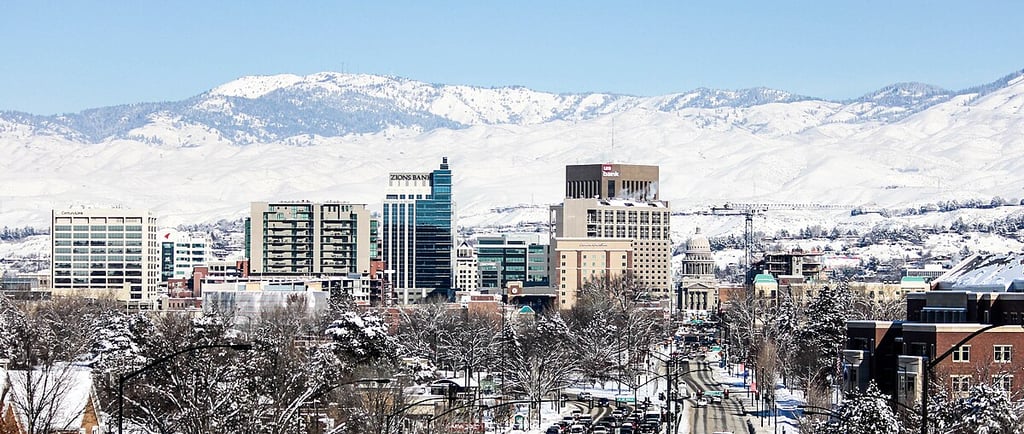
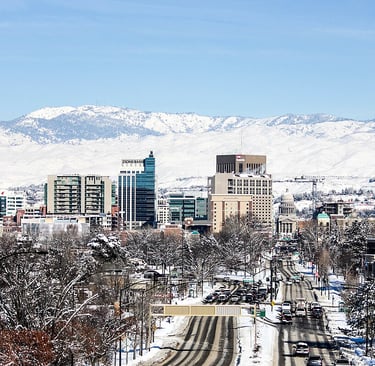
The beauty of winter on the Boise Bench cannot be overlooked. The landscape transforms into a stunning vista of white snow-concealed hills, evergreen trees, and the picturesque city skyline. This seasonal change fosters opportunities for outdoor activities such as skiing, snowboarding, and hiking, allowing residents to embrace the natural wonders of their surroundings. Furthermore, winter provides a chance for residents to come together, whether through community events or shared experiences on the slopes.
Moreover, the winter season highlights the importance of community spirit. Local initiatives focused on road maintenance, community safety, and emergency services play a crucial role in ensuring that winter conditions are navigable. Residents often engage in neighborly acts of kindness, such as snow shoveling or offering assistance to those in need, which fosters a profound sense of belonging. In reflection, the Boise Bench exemplifies how winter weather, while demanding, can lead to a deeper appreciation for both nature and community. Embracing the season in all its facets ultimately enriches the lives of those who call this area home.
Contact
Reach out for personalized real estate guidance.
© 2026. All rights reserved.