
Exploring Public Transit and Biking Options in Southeast Boise for 2026
SOUTHEAST BOISE
Klark Kent Sparks
1/28/20267 min read
Introduction to Southeast Boise's Transportation Landscape
The transportation landscape of Southeast Boise is witnessing a transformative era as the local government prioritizes the enhancement of public transit and biking options by 2026. As the population in this area continues to grow, the demand for accessible, efficient, and environmentally friendly transport alternatives becomes increasingly critical. Southeast Boise is committed to creating a sustainable urban environment through the integration of diversified transportation methods.
Public transit serves as the backbone of the transportation system in Southeast Boise, with several initiatives aimed at improving accessibility and convenience for residents. In recent years, the city has focused on expanding public bus routes and increasing service frequency. These developments not only make it easier for residents to access essential services but also support the overall reduction of traffic congestion. Furthermore, the city is working towards making public transit more user-friendly, which includes implementing real-time scheduling information and designing routes that better serve the needs of the community.
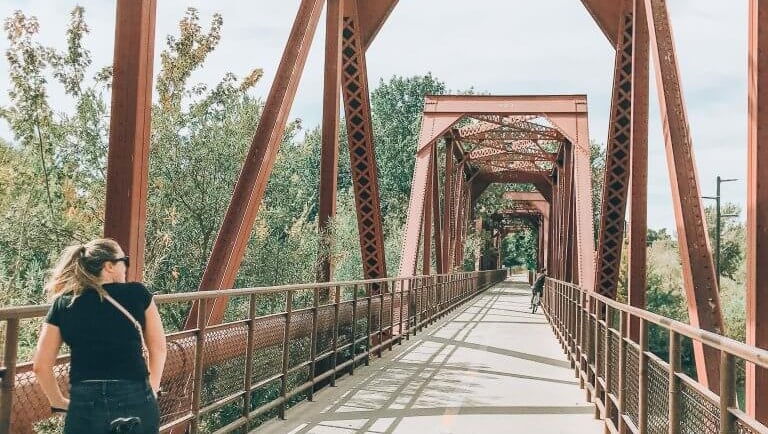
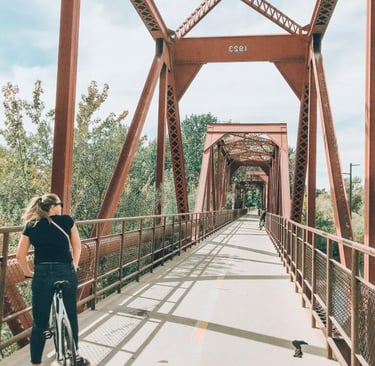
Biking is another vital aspect of Southeast Boise's transportation strategy. Recognizing the health and environmental benefits of cycling, the city has invested in building dedicated bike lanes and paths that ensure a safer experience for cyclists. The development of biking infrastructure in Southeast Boise includes connecting neighborhoods to key destinations such as parks, schools, and shopping areas, making biking a more attractive option for commuters. Additionally, local initiatives to promote biking through community events and education programs aim to increase ridership and awareness of cycling as a feasible transportation alternative.
As we look ahead to 2026, the integration of public transit and biking options will play a significant role in shaping the transportation landscape of Southeast Boise. The city's commitment to developing a multi-modal transit system demonstrates the importance of accessibility, efficiency, and sustainability in meeting the transportation needs of its residents.
Current Public Transit Options Available
Southeast Boise boasts a comprehensive public transit system designed to cater to both residents and visitors. The primary mode of public transport in this area is the bus service operated by Ada County Transit Authority (ACT). The buses connect various neighborhoods, commercial districts, and vital amenities within the city.
The existing bus routes encompass numerous crucial destinations, including educational institutions, grocery stores, and parks. The routes are strategically designed to ensure accessibility across Southeast Boise, benefiting individuals who rely on public transit for daily commuting. Recent enhancements to the transit system have resulted in improved schedules and increased frequencies on key routes, reducing wait times and enhancing overall rider experience.
Some notable transit hubs located in Southeast Boise include the Boise Intermodal Transit Center and multiple key bus stops. These locations serve as essential junctions where passengers can easily transfer between different routes. The intermodal center, in particular, functions as a focal point for various transportation options, including intercity services and a bike-share program, further promoting sustainable transit solutions.
Additionally, the public transit system incorporates modern amenities, such as real-time tracking for buses, which allows riders to monitor arrivals and departures conveniently. Riders can access this information through mobile applications and online platforms, contributing to a more user-friendly experience.
In summary, the current public transit options in Southeast Boise are robust, with a network of bus routes and modern facilities that cater to the diverse needs of the community. The enhancements made to the transit services reflect the commitment to fostering a reliable and efficient transportation system.
Enhancements in Public Transit for 2026
As part of the ongoing efforts to improve public transit in Southeast Boise, significant enhancements are planned for 2026. These improvements aim to facilitate greater accessibility and convenience for residents while promoting sustainable commuting options. One of the primary objectives is to expand existing bus routes, ensuring that various neighborhoods are well-connected to key destinations such as employment centers, schools, and recreational areas.
Additionally, the frequency of bus services is expected to increase, reducing wait times for passengers. By accommodating more riders and providing reliable schedules, the transit system aims to encourage greater public usage, potentially easing traffic congestion in the area. Key stakeholders, including local government officials and transit authorities, have emphasized the importance of community feedback in shaping these enhancements. Through several public forums and surveys, residents have expressed their needs and preferences, leading to tailored solutions that reflect the community's aspirations.
Technological advancements will also play a pivotal role in the improvements slated for 2026. The introduction of real-time tracking systems for buses is anticipated, allowing commuters to track their rides from their smartphones. This feature aims to enhance the overall experience by mitigating uncertainties associated with transit schedules. Furthermore, integration with mobile applications will facilitate seamless route planning, enabling users to identify the best transit options based on their locations and timelines.
In summary, the planned enhancements in Southeast Boise's public transit system for 2026 represent a comprehensive approach to meeting the transportation needs of the community. These initiatives, informed by direct community engagement, emphasize the city’s commitment to creating an efficient, user-friendly, and sustainable public transportation network.
The Role of Biking in Southeast Boise
Biking has emerged as a vital component of the transportation landscape in Southeast Boise, reflecting a growing commitment to sustainable practices and healthier lifestyles. The region features a network of dedicated bike lanes and trails that facilitate safe and efficient cycling for both commuters and recreational riders. These infrastructures not only support local cyclists but also contribute to reducing traffic congestion and lowering carbon emissions.
The current state of biking in Southeast Boise showcases an impressive array of options for riders. The city has actively invested in expanding its biking infrastructure, with numerous bike lanes integrated into major roadways and a variety of trails offering scenic routes through parks and natural settings. This improvement in cycling facilities has encouraged more residents to consider biking as a viable transportation alternative. Furthermore, the introduction of bike-sharing programs has made cycling accessible to a wider demographic, promoting the use of bicycles for short-distance travel without the need for ownership.
The popularity of cycling in Southeast Boise is heightened by the numerous health benefits it offers. Regular biking contributes positively to cardiovascular health, aiding in weight management and enhancing overall fitness. Furthermore, it has been found to reduce stress and improve mental well-being, making it not only an eco-friendly transportation option but also a means to promote a healthier community. As the region continues to develop its biking infrastructure, it is anticipated that more citizens will embrace cycling as an essential aspect of their daily commute and lifestyle.
In conclusion, the role of biking in Southeast Boise is multifaceted, encompassing environmental, health, and community benefits. With ongoing investment and improvements in biking infrastructure, the region is well-poised to become a leader in sustainable transportation solutions.
Future Biking Initiatives and Infrastructure Developments
As Southeast Boise looks towards 2026, a number of biking initiatives and infrastructure developments are planned that aim to enhance cycling options, improve safety, and create a more bike-friendly environment for residents and visitors alike. One of the key goals of these initiatives is to expand existing bike lanes to accommodate a growing number of cyclists, promote safer routes, and encourage a community-wide embrace of biking as a viable mode of transportation.
Expanding bike lanes throughout Southeast Boise will involve not only the installation of new lanes but also the improvement of current paths to ensure they are accessible and safe for all users. This includes measures such as increasing the width of bike lanes, adding protective barriers from vehicle traffic, and ensuring that pathways are well-maintained and adequately marked. Enhanced signage will also help to guide cyclists along routes, making it easier for both experienced riders and newcomers to navigate the area.
In addition to expanding infrastructure, safety initiatives will be a primary focus. These initiatives will encompass educating both cyclists and motorists about proper road etiquette and safety measures. Community workshops aimed at teaching safe riding techniques could be instituted, along with campaigns that promote awareness among drivers to respect cyclists on the roads. Enhanced law enforcement efforts may also be implemented to ensure compliance with safety regulations, ultimately creating a more harmonious coexistence between cyclists and drivers.
Local advocacy groups will play a crucial role in facilitating these changes. By engaging the community in discussions about their needs, preferences, and experiences, initiatives can be tailored to reflect the desires of the residents. Collaboration between city planners, community organizations, and local government will ensure that the proposed bike-friendly routes meet the needs of Southeast Boise’s diverse population.
Integrating Public Transit and Biking Systems
The integration of public transit and biking systems plays a crucial role in enhancing the overall transportation experience in Southeast Boise. As cities increasingly emphasize sustainability and accessibility, creating seamless connections between these modes of transport becomes imperative. One effective strategy involves the implementation of bike racks on public buses, allowing commuters to easily switch between biking and bus services. This flexibility ensures that individuals can cover longer distances without relying solely on one mode, ultimately bolstering the efficiency of the transportation network.
Moreover, establishing multi-modal transit hubs can significantly improve connectivity within the region. These hubs act as central points where various transportation options—such as buses, bike-sharing stations, and pedestrian pathways—converge. By designing these hubs to accommodate both bikers and transit users, Southeast Boise can foster a more integrated transport system. Such strategic planning not only enhances convenience for users but also promotes a culture that embraces active transportation methods like cycling.
In addition to physical infrastructure improvements, community outreach and education will be vital. Informing residents about the benefits of combining public transit with biking can encourage more individuals to take advantage of these services. By promoting partnerships between local governments, transit authorities, and bicycle advocacy organizations, Southeast Boise can develop initiatives that further highlight the advantages of utilizing both systems.
Ultimately, the integration of public transit and biking options will contribute significantly to reducing traffic congestion and lowering carbon emissions. As Southeast Boise continues to grow, prioritizing such connections will be essential for creating a sustainable and accessible urban environment that accommodates the diverse needs of its residents.
Conclusion and Call to Action for Sustainable Transportation
Investing in public transit and biking options in Southeast Boise is critical for fostering a sustainable urban environment. As the population continues to grow, the demand for efficient and accessible transportation alternatives becomes increasingly important. Transitioning from reliance on personal vehicles to more sustainable options, such as public transit and cycling, not only contributes to reducing traffic congestion but also minimizes the carbon footprint associated with transportation.
Enhancing public transit systems provides numerous benefits, including improved accessibility for all residents, which can lead to increased economic opportunities and a higher quality of life. Additionally, making infrastructure improvements for biking promotes a healthier lifestyle, encouraging more people to incorporate cycling into their daily routines. As communities become more bike-friendly, they can expect positive impacts on public health through increased physical activity and reduced air pollution.
Community involvement is essential in advocating for these sustainable transportation options. As engaged citizens, residents of Southeast Boise have the power to influence local policymaking and prioritize the development of transit systems that serve their needs. Participating in community forums, supporting local initiatives, and collaborating with city planners can significantly impact the long-term vision for urban mobility in the region.
In light of these factors, it is crucial that residents, local businesses, and government officials work together towards building a cohesive framework for sustainable transportation. By advocating for continued improvements and investments in public transit and biking infrastructure, Southeast Boise can become a model for other urban areas striving to create more livable and environmentally friendly communities. Therefore, it is urged that every resident gets involved in the conversation and contributes to a future where sustainable transportation is not merely an option but a priority.
Contact
Reach out for personalized real estate guidance.
© 2026. All rights reserved.