
Downtown Boise Home & Condo Prices: Market Trends & Forecast for 2026
DOWNTOWN BOISE
Klark Kent Sparks
2/11/20267 min read
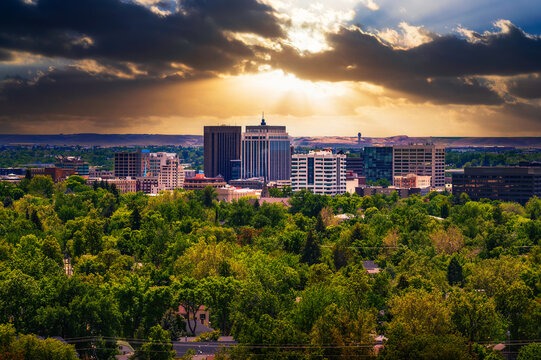
Introduction to Boise's Real Estate Landscape
The real estate market in downtown Boise has exhibited dynamic changes in recent years, making it a compelling subject for analysis. Boise, Idaho, often celebrated for its scenic landscapes and vibrant culture, has seen an increase in demand for both homes and condominiums, driven by a variety of factors including population growth, economic development, and lifestyle preferences. According to recent data, the average price of homes in downtown Boise has experienced a noticeable upward trend, with current figures placing the median home price well above the national average.
Over the past few years, the market has risen sharply, reflecting both local and national housing trends. For instance, the prices of condos have also surged, correlating with the growing interest among young professionals and retirees seeking urban living without the burdens of larger properties. This surge can be attributed to Boise's expanding job market and the influx of new residents who value the city's quality of life, outdoor recreational opportunities, and relatively low cost of living compared to other metropolitan areas.
Furthermore, Boise's reputation as a tech hub has started to come into prominence, adding to its appeal as a location for investment in real estate. The diversification of the economy, coupled with favorable taxation policies, further solidifies the city’s attractiveness. Local authorities have also put efforts into infrastructure improvement and community development, contributing to the overall desirability of downtown Boise.
In conclusion, factors such as rising home and condo prices, a growing economy, and a desirable lifestyle contribute to a positive outlook for Boise's real estate market through 2026. Understanding these trends will be crucial for potential buyers and investors as they consider entering this burgeoning market.
Historical Price Trends of Homes and Condos in Downtown Boise
Over the last decade, the residential real estate market in downtown Boise has witnessed significant fluctuations, influenced by various economic factors and changing demographics. In 2013, the average price of homes and condos in this vibrant area was considerably lower compared to today, suggesting a steady upward trend in property values over time. This steady increase in prices can be attributed to several elements including heightened demand, limited supply, and a growing interest in urban living.
In the early 2010s, the aftermath of the recession had left the market relatively stagnant, with homes priced moderately. However, from 2015 onwards, the trend began to shift, as Boise emerged as a desirable location for both new residents and investors. The influx of tech companies, outdoor recreation opportunities, and a higher quality of life have made downtown Boise increasingly attractive, resulting in a surge in demand. As a response, the average price of homes and condos escalated dramatically during this period.
Moreover, the types of properties available have varied widely, from historic brownstone condos to modern apartment buildings and single-family homes. This diversity in property types has also influenced pricing dynamics. For instance, condos, despite typically offering lower square footage, have seen particularly high increases in value, largely driven by their appeal to younger professionals looking for convenience and lifestyle amenities. On the other hand, single-family homes in downtown Boise have also benefited from the growing trend towards suburban lifestyles, showcasing their own distinct price increase.
In conclusion, the historical pricing trends of homes and condos in downtown Boise reveal a market characterized by significant growth and diversification. As these factors continue to evolve, they will undoubtedly play a crucial role in shaping the real estate landscape of Boise in the years to come.
Factors Influencing Current Market Prices
The current market prices for homes and condos in downtown Boise are influenced by a range of factors that reflect both local and broader economic trends. One of the primary indicators is the employment rate, which significantly affects the purchasing power of potential buyers. A robust job market attracts a steady influx of residents, thereby increasing demand for housing. The correlation between employment and housing demand is critical in assessing price trends in the downtown Boise area.
Another vital factor is population growth. Boise has seen a notable increase in its population, driven by individuals and families seeking the attractive lifestyle and economic opportunities the area offers. This growth fuels competition among buyers, leading to a normalized upward trend in market prices. The arrival of new residents not only enhances demand but also influences the demographic composition, wherein younger buyers may seek modern condos while families may prefer single-family homes.
The balance between supply and demand plays a major role in determining current market prices. In areas where housing inventory is limited, sellers hold the upper hand, often resulting in higher prices. Furthermore, new developments and infrastructure improvements can exacerbate these dynamics. Projects such as parks, schools, and transportation enhancements significantly bolster the appeal of certain neighborhoods, guiding preferences and establishing new desirable areas. As such improvements unfold, neighborhoods may experience a surge in prices as both local and outbound buyers seek to secure homes close to these new amenities.
Overall, the interplay of these factors continues to shape the real estate landscape in downtown Boise, affecting how home and condo prices evolve. Understanding these variables is essential for stakeholders and prospective buyers, as it helps provide a clearer view of the market’s trajectory leading into 2026.
Current Market Conditions for Buyers and Sellers
The real estate landscape in Downtown Boise is characterized by a dynamic interplay between buyer demand and seller supply. As of late 2023, the market exhibits traits of a seller's market, primarily driven by a limited inventory of homes and condos available for purchase. Prospective buyers are finding that the selection is constrained, which can create a competitive environment when desirable properties are listed.
Inventory levels have remained notably low in comparison to previous years, with many listings receiving multiple offers shortly after they become available. The average days on the market for homes and condos have decreased, reflecting the heightened demand. In many cases, properties are selling within a week or two of listing, particularly those priced attractively and in prime locations. This rapid turnover underscores the competitive nature of the Downtown Boise real estate market.
Interest rates have also played a critical role in shaping current market conditions. The fluctuations in interest rates have a direct impact on buyer activity. As rates remain relatively low compared to historical standards, many buyers are encouraged to take action before rates potentially rise. This increased activity has led to a surge in sales despite the limited housing stock. Sellers, on the other hand, are benefiting from favorable conditions that allow them to achieve higher prices than in previous years.
Overall, the current market conditions present a fascinating scenario for both buyers and sellers. While buyers face challenges due to limited options and strong competition, sellers are positioned to capitalize on the demand and achieve favorable sale prices. Understanding these conditions is essential for anyone participating in the Downtown Boise real estate market.
Predictions for Downtown Boise's Real Estate Market in 2026
The real estate market in Downtown Boise is on a trajectory towards growth, and various forecasts suggest continued upward movement through 2026. Analysts predict that home and condo prices will increase by approximately 5% to 8% annually, in alignment with ongoing demand and limited inventory. Factors driving this increase include a robust local economy and an influx of new residents attracted by the vibrant culture and lifestyle that Boise has to offer.
Furthermore, impending developments in the area are likely to have a significant impact on market dynamics. New residential projects, commercial establishments, and infrastructure improvements are anticipated to enhance the appeal of Downtown Boise, potentially drawing more buyers and investors. These developments are not only set to increase property values but also improve overall living standards in the region. The addition of parks, schools, and amenities such as restaurants and shopping centers will further solidify Boise's status as a desirable location for both families and professionals.
Another crucial aspect to consider is the external economic landscape. Economic indicators, such as interest rates and inflation, could influence buyer purchasing power and, consequently, real estate activity. Should the economy maintain a stable growth rate, we can expect a continued rise in property values; however, any significant downturn could hinder the market's momentum.
Lastly, changes in lifestyle preferences as a result of remote working trends may also shape where people choose to live. As more individuals prioritize flexibility and quality of life, Downtown Boise stands to benefit from this shift. The city's unique blend of urban amenities and access to outdoor activities is a compelling draw for many looking for a balanced lifestyle.
Investing in Downtown Boise: Opportunities and Risks
Investing in downtown Boise real estate presents a unique combination of attractive opportunities and potential risks. As the city continues to grow, the demand for residential properties has surged, making it an appealing location for investors. The influx of new residents, particularly young professionals and families, contributes to a robust rental market. This demographic shift suggests a strong potential for rental income, coupled with the likelihood of property value appreciation as the area develops.
Currently, notable properties include renovated historic buildings and modern condos, which are increasingly sought after due to their desirable locations and amenities. Many investors have found success in the short-term rental market, capitalizing on tourism and events in downtown Boise. This sector can yield high rental yields for owners capable of navigating the complexities of local regulations and competition.
However, there are inherent risks associated with investing in the downtown Boise market. Economic fluctuations, such as shifts in employment rates or changes in the tech industry, could negatively impact housing demand and rental rates. Investors must be diligent in their research regarding the local economy, employment trends, and potential future developments that may alter the housing landscape.
Additionally, changing demographics pose both challenges and opportunities. The rising preference for urban living among millennials and Gen Z can drive up demand, but it may also result in oversupply if new constructions outpace market needs. Investors should maintain a finger on the pulse of demographic trends to anticipate shifts that may affect their investment. In essence, thorough due diligence, market analysis, and a keen understanding of local regulations will be crucial for success in navigating the opportunities and risks in downtown Boise real estate investment.
Conclusion and Final Thoughts
In reviewing the current landscape of the downtown Boise real estate market, several key trends have emerged that potential buyers and investors should consider. First and foremost, pricing trends indicate a steady appreciation in home and condo values, driven by increasing demand and limited inventory. This trajectory suggests that investing in downtown Boise's properties may be a sound long-term strategy.
Moreover, the evolution of lifestyle preferences continues to shape the housing market. With a growing preference for urban living, more individuals and families are drawn to the amenities and conveniences found in downtown areas. This shift is motivating developers to invest in new residential projects, which could further bolster the housing supply over time.
Looking ahead to 2026, forecasts indicate that while home prices may stabilize, they are not expected to decline significantly, reaffirming the expectation of continued interest in downtown Boise real estate. For potential buyers, navigating through financing options and understanding market dynamics will be crucial in making informed decisions.
In conclusion, staying informed about the market trends and forecasted developments in downtown Boise will empower prospective homeowners and investors to seize opportunities as they arise. As the market evolves, it is essential to remain vigilant and receptive to changes, offering greater chances for success in real estate ventures. The dynamic nature of the downtown Boise housing market presents an enticing opportunity for those looking to buy or invest, making it imperative to engage actively with ongoing market shifts.
Contact
Reach out for personalized real estate guidance.
© 2026. All rights reserved.