
Central Bench vs. West Bench: Key Differences of Boise Bench Areas
BOISE BENCH
Klark Kent Sparks
2/5/20268 min read
Introduction to Boise Bench Areas
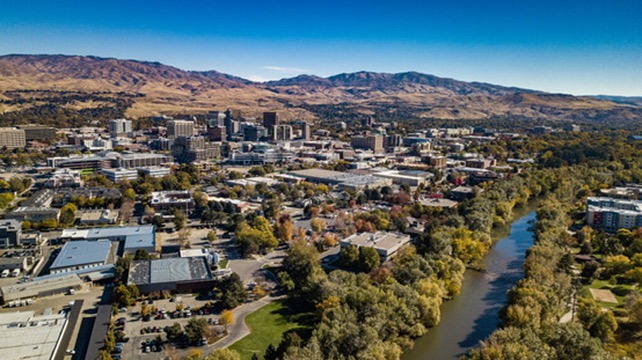
Boise, the capital city of Idaho, is known for its unique geographical features, including the elevated regions known as the Boise Bench areas. These distinct zones, specifically the Central Bench and West Bench, have played a pivotal role in shaping the city's development and urban landscape.
The Boise Bench areas are characterized by their elevated topography, which slopes from the foothills of the Rocky Mountains toward the downtown district. Historically, the Central Bench developed as an early residential neighborhood and commercial hub, attracting a diverse population due to its proximity to the city center. The area is peppered with historic homes, schools, and parks, reflecting its significance in the growth of Boise from the late 19th century onwards.
Similarly, the West Bench emerged as a suburban extension of the city, fostering a different style of community life. As Boise expanded, the West Bench became attractive for families seeking a more spacious living environment while still being relatively close to urban amenities. Both regions are marked by their contributions to Boise's economy, culture, and social fabric.
The Central Bench is often recognized for its matured neighborhoods and established infrastructure, while the West Bench is known for its newer developments and spacious residential options. These areas not only provide a backdrop for modern living but also serve as a reminder of Boise's evolving history, from the early settler days to its current status as a vibrant metropolitan area.
In summary, the Central Bench and West Bench areas of Boise embody the historical and geographical diversity of the city. Their development illustrates the changing needs of residents over time and emphasizes their importance in the overall growth narrative of Boise.
Geographical Characteristics
The Central Bench and West Bench areas of Boise exhibit distinct geographical characteristics that set them apart. Central Bench, situated at a slightly lower elevation than West Bench, is characterized by a range of residential neighborhoods that utilize the gently sloping terrain. The elevation of Central Bench ranges approximately from 2,600 to 2,700 feet above sea level, providing its residents with expansive views of the surrounding landscape. This area prioritizes urban development, consisting primarily of residential housing, education institutions, and commercial enterprises, resulting in a bustling urban environment.
In contrast, West Bench benefits from a higher elevation, generally lying between 2,700 to 2,800 feet. With this elevation, West Bench offers a unique vantage point over Boise and the surrounding natural features. The land use in West Bench is predominantly residential, but it leans more towards suburban development with larger lots, parks, and open spaces compared to its Central counterpart. This provides West Bench residents with a quieter atmosphere, while still being conveniently located near essential amenities.
Both areas are enriched by proximity to notable landmarks. Central Bench is near the Boise River, which not only enhances the aesthetic appeal but also provides recreational opportunities such as biking, fishing, and hiking. In terms of parks, one prominent feature is the expansive 34-acre Julia Davis Park, located in proximity to Central Bench. Conversely, West Bench boasts the serene setting of Warm Springs Park, which serves as a focal point for community events and outdoor recreation.
Overall, while both areas contribute significantly to Boise's urban landscape, their geographical characteristics, elevation differences, and variation in land use create distinctive environments that appeal to different preferences of residents.
Demographics and Community Vibe
The demographics of the Central Bench and West Bench areas in Boise present intriguing differences that contribute to the unique community vibes of each neighborhood. Central Bench, often characterized by its diverse population, exhibits a higher population density than West Bench. This area has a mix of families, young professionals, and retirees, resulting in a vibrant community atmosphere. The population is predominantly composed of individuals aged 25 to 44, representing a demographic favorable to urban engagement and community activities.
In contrast, West Bench tends to attract a more suburban demographic, marked by larger family units and a quieter, more laid-back lifestyle. The age distribution in West Bench skews slightly older, with more residents over the age of 45. This can be attributed to more spacious housing options and a family-oriented environment which appeal to those seeking a long-term home.
Both areas showcase community engagement initiatives, though the focus and participation levels may vary. In Central Bench, community events often emphasize multicultural festivals and arts programs, fostering a spirit of inclusivity. Local organizations regularly organize events, including neighborhood clean-ups, art walks, and farmers' markets, aiming to enhance social cohesion among the diverse residents.
Conversely, West Bench emphasizes family-oriented activities, such as community sports leagues and outdoor movie nights, promoting a close-knit community. Local schools and parent groups play a significant role in driving engagement, creating programs that nurture both educational and recreational opportunities for families.
Ultimately, the key differences in demographics and community engagement initiatives between Central Bench and West Bench add rich layers to their respective social fabrics, shaping their unique identities within the greater Boise area.
Real Estate Market Overview
The real estate market in Boise, particularly in the Central Bench and West Bench areas, presents unique characteristics and dynamics that appeal to a variety of buyers and renters. Understanding these nuances is essential for anyone looking to invest in the Boise market.
In Central Bench, property values have experienced significant growth in recent years due to its proximity to downtown Boise, schools, and amenities. This area primarily features a mix of single-family homes, townhouses, and some multifamily properties. Homebuyers are often drawn to older homes with character, as well as newly constructed properties that cater to modern standards. The demand is high, which has led to a competitive market where bidding wars are common. This environment has also resulted in a noticeable uptick in property prices, with many listings seeing swift sales.
Conversely, West Bench is known for its more diverse housing options, including larger lot sizes and a blend of older and newer constructions. This area tends to be more affordable in comparison to Central Bench, attracting families and first-time homebuyers. The rental market in West Bench has also been robust, with a variety of apartments and duplexes catering to those who prefer to lease rather than purchase. While price growth has been observed, it has been steadier than that in Central Bench, making it an attractive option for those looking for more budget-friendly housing alternatives.
When considering trends in buying and renting, Central Bench has seen an increase in buyers seeking homes with home office spaces, reflecting a shift in lifestyle preferences post-pandemic. On the other hand, West Bench continues to appeal to renters and investors interested in maintaining lower costs while enjoying the benefits of proximity to Boise's urban conveniences. Overall, both neighborhoods offer distinct advantages in the real estate market, driven by their respective demographics and economic factors.
Amenities and Lifestyle Choices
When comparing the Central Bench and West Bench areas in Boise, the differences in amenities and lifestyle choices reflect the unique characteristics of each neighborhood. Central Bench is known for its diverse shopping options, including local boutiques, grocery stores, and larger retail chains. The presence of iconic shopping centers enhances convenience for residents as they can access a variety of products without straying too far from home. West Bench, while also housing shopping centers, tends to feature a more residential feel, with access to essential amenities scattered throughout the area.
Dining options significantly contribute to the overall lifestyle in both neighborhoods. Central Bench boasts a wide array of restaurants catering to various tastes, including family-owned eateries serving traditional dishes and newer establishments offering international cuisines. In contrast, West Bench features a more selective dining scene, focusing on casual dining and fast-food outlets that appeal to families and busy professionals alike, aligning with a laid-back lifestyle.
Recreational facilities play a crucial role in promoting community well-being. Central Bench is home to vibrant parks, community centers, and sports fields, providing ample opportunities for outdoor activities, sports, and social gatherings. These public spaces tend to invite families, fitness enthusiasts, and individuals seeking leisure activities. Meanwhile, West Bench features well-maintained parks and trails that cater primarily to residents looking for a more tranquil outdoor experience, which resonates with those who prefer a quieter lifestyle.
Education is highly valued in both areas, with Central Bench offering access to several reputable public schools. These institutions are often actively involved in community engagement, including events that foster family participation. Conversely, West Bench is home to a few highly rated schools but is particularly known for its proximity to specialized education options and private institutions, appealing to those seeking tailored educational experiences for their children.
Lastly, public services such as libraries, health care facilities, and transportation options contribute significantly to the lifestyles in both the Central and West Benches. Central Bench residents benefit from a robust public transport system, enabling easy access to downtown Boise and beyond. West Bench, though slightly less connected, compensates with its efficient public utilities and community support services, ensuring that residents' needs are adequately met.
Transportation and Accessibility
Transportation and accessibility play a crucial role in determining the livability of neighborhoods, and both Central Bench and West Bench in Boise offer distinct options. Central Bench is characterized by its proximity to key arterial roads such as Vista Avenue and Gowen Road, which provide direct access to downtown Boise and connections to various parts of the city. This area boasts a well-established network of major roadways, making commuting to work or leisure activities relatively straightforward.
In terms of public transit, Central Bench benefits from several bus routes operated by the Valley Regional Transit system. These routes facilitate connections to other parts of Boise and beyond, making it easier for residents to navigate the city without a personal vehicle. The local bus service operates with a frequency that caters to foot traffic and commuter needs, effectively linking Central Bench to employment centers, shopping districts, and other essential services.
On the other hand, West Bench presents a different landscape for transportation and accessibility. The area is primarily served by major thoroughfares like Fairview Avenue and Eagle Road, which provide routes for drivers looking to commute to nearby suburbs or venture further into the region. While West Bench has access to public transit options, the bus service may not be as extensive as that found in Central Bench, which could present challenges for residents who rely entirely on public transit.
The relatively tranquil neighborhood atmosphere in West Bench can be advantageous for cyclists and pedestrians, who may find it easier to navigate the area on foot or two wheels. Nevertheless, individuals seeking to access downtown Boise may experience longer commute times due to fewer direct public transit routes. Overall, both Central Bench and West Bench have their strengths and weaknesses regarding transportation and accessibility, catering to the varying needs of their residents.
Conclusion and Recommendations
In evaluating the Central Bench and West Bench neighborhoods, it becomes evident that both areas offer unique living experiences suited to different preferences and lifestyles. Central Bench is characterized by its proximity to downtown Boise, appealing to those who value easy access to urban amenities, a vibrant social scene, and a variety of dining and shopping options. This area tends to attract younger professionals and individuals seeking a dynamic place to reside.
Conversely, West Bench provides a more suburban atmosphere, catering to families and individuals desiring quieter surroundings and greater space. The schools in this area are generally rated favorably, making it an attractive option for families with children. Moreover, West Bench boasts an array of parks and recreational facilities, further enhancing its appeal to those who appreciate outdoor activities and community engagement.
For potential movers, the choice between Central Bench and West Bench should be determined by personal priorities. If commuting to downtown Boise for work or social activities is a daily consideration, Central Bench may present a more advantageous option. However, if a tranquil environment combined with a family-friendly community is a priority, then West Bench stands out as a desirable alternative.
Investors looking to acquire property should also consider the specific demographic trends within these neighborhoods. Central Bench properties are likely to attract renters seeking proximity to the city, making them a solid investment opportunity for short-term rentals or professionals. On the other hand, West Bench houses may appeal to families looking for stability and may provide long-term rental opportunities.
Ultimately, assessing personal lifestyle needs against the unique attributes of each area will be critical in making an informed decision about relocating or investing in Boise's distinct bench neighborhoods.
Contact
Reach out for personalized real estate guidance.
© 2026. All rights reserved.