A Vibrant Life: Experiencing Downtown Boise in 2026
DOWNTOWN BOISE
Klark Kent Sparks
2/14/20268 min read
The Pulse of the City: An Overview of Boise's Urban Core
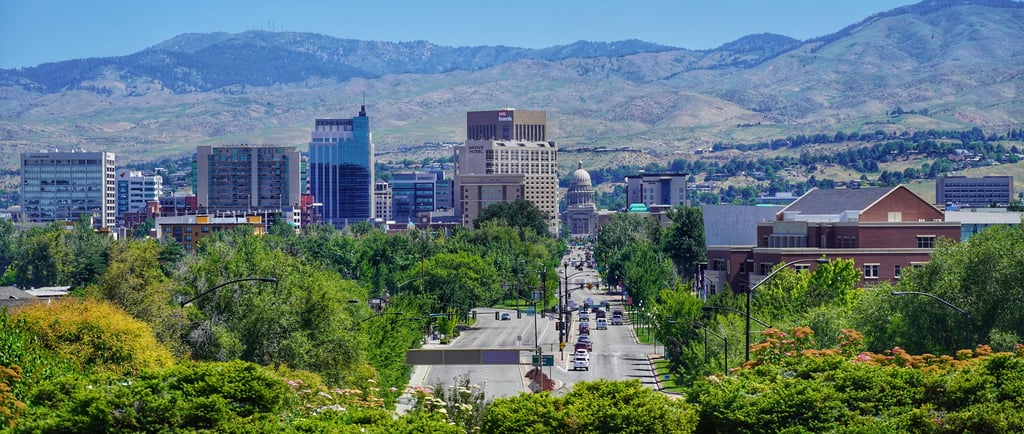
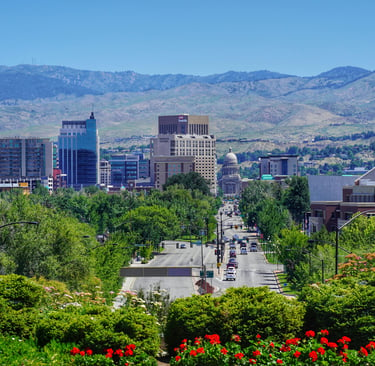
Boise's urban core, often referred to as the heart of the city, has undergone remarkable transformations that have significantly enhanced the vibrancy and appeal of downtown Boise in 2026. Geographically, the urban core is characterized by a mix of historic architecture and modern developments, providing a contrasting yet harmonious visual landscape. Essential areas such as the Boise River Greenbelt offer scenic pathways alongside the river, while art galleries, shops, and cafes line the bustling streets, creating an inviting atmosphere for locals and visitors alike.
Key attractions, including the Idaho State Capitol and the Basque Block, contribute to the rich cultural tapestry of the city. The Capitol, known for its stunning architecture, stands as a symbol of Boise's historical significance, while the Basque Block showcases the city’s diverse heritage through a variety of cultural events and restaurants specializing in Basque cuisine. Additionally, the downtown area has seen the emergence of several new parks and public spaces, facilitating community engagement and outdoor activities.
In recent years, revitalization efforts have played a pivotal role in shaping the urban experience. Local government initiatives aimed at boosting economic development have encouraged a mix of residential and commercial growth. This has led to an influx of new businesses, creating a dynamic market scene complemented by a thriving culinary landscape. Furthermore, demographic shifts have unfolded, with an increase in younger residents drawn to Boise’s work opportunities and lifestyle, enriching the urban culture with fresh ideas and trends.
Overall, the ambiance of downtown Boise in 2026 is one of energy and creativity. With its blend of past and present, coupled with ongoing development efforts, the urban core remains a focal point for both residents and travelers, offering a unique experience that captures the essence of a vibrant city.
Living Spaces: Housing Options and Trends
Downtown Boise has emerged as a vibrant hub of urban living, offering a diverse range of housing options that appeal to a variety of lifestyles. The real estate landscape includes apartments, condominiums, and townhouses, each with its own unique architectural styles and amenities. This growth in housing variety not only caters to young professionals but also attracts families and retirees looking for a lively community atmosphere.
Apartment living in downtown Boise has become increasingly popular, with many developments featuring modern designs and cutting-edge amenities. Residents enjoy easy access to fitness centers, rooftop terraces, and communal spaces that foster a sense of community. New construction projects, alongside beautifully renovated historic buildings, contribute to the area’s architectural charm. Average rental prices for apartments can range significantly depending on size and location, with one-bedroom apartments typically starting around $1,500 per month.
Condos offer another appealing option for those seeking homeownership in the city. These units often come equipped with high-quality finishes, which appeal to buyers looking for both luxury and convenience. The average price for a downtown condominium can vary widely, typically starting at around $300,000 and going up based on square footage and amenities. Many condominiums also provide shared facilities such as pools, gyms, and private gardens, providing a lifestyle of comfort and leisure.
Townhouses have also become a favored choice for families and individuals who enjoy having more space without sacrificing urban conveniences. Modern townhouses in downtown Boise combine style with functionality, showcasing open floor plans and private outdoor areas. Prices for townhouses in the area usually range from $400,000 to over $700,000, depending on the neighborhood and specific features offered.
In summary, the housing options in downtown Boise reflect an exciting evolution in urban living, emphasizing a blend of modernity and style, making it an appealing destination for prospective residents.
Community and Lifestyle: The Heart of Downtown Living
Living in downtown Boise offers an unparalleled lifestyle defined by community engagement and a vibrant social fabric. The area thrives on a diverse population, comprised of long-time residents and newcomers, each contributing to the unique character of the neighborhood. This melting pot of cultures and backgrounds creates a dynamic community atmosphere, fostering connections through shared interests and experiences.
Community initiatives play a vital role in enhancing the downtown lifestyle. Local organizations frequently host events that bring residents together, whether it be through farmers’ markets, art walks, or music festivals. These gatherings not only showcase local talent and businesses but also provide opportunities for individuals to engage with one another, strengthening communal ties. A focus on sustainability and support for local artisans is evident in these initiatives, further enriching the downtown experience.
Inclusivity is a cornerstone of downtown Boise's lifestyle, as various groups actively participate in shaping the community. From cultural festivals to neighborhood discussions, residents from different backgrounds have platforms to voice their perspectives. This participation fosters an atmosphere of respect and understanding, reflecting the community’s commitment to embracing diversity. Moreover, these interactions often lead to collaborative projects that benefit the entire area, ranging from public art installations to community gardens.
Additionally, the integration of public spaces, such as parks and plazas, encourages residents to gather and interact. These spaces serve as venues for relaxation and recreation, further solidifying a sense of belonging. The holistic approach to community building and lifestyle in downtown Boise not only attracts new residents but also ensures that longstanding residents continue to feel a connection to their surroundings. It is this essence of community, combined with the vibrancy of events and initiatives, that truly defines the heart of downtown living.
Culinary Experiences in Downtown Boise
The food and drink scene in Downtown Boise is a vibrant reflection of the city's diverse cultural influences and local agriculture. With an array of restaurants, food trucks, and farmers' markets, the culinary landscape in 2026 offers an experience that satisfies a range of palates and dietary preferences.
Dining establishments in the area range from cozy cafes to upscale restaurants, allowing visitors to indulge in a variety of cuisines, including American, Mediterranean, Asian, and vegan offerings. Popular eateries, such as Fork and the Basque Market, showcase local ingredients, and seasonal menus, celebrating Boise's rich agricultural heritage. The emphasis on farm-to-table dining not only supports local farmers but also offers patrons fresher and more flavorful meals.
The rise of food trucks has added another exciting dimension to the culinary scene, with innovative chefs serving gourmet dishes on the go. These mobile kitchens often feature rotating menus that highlight local ingredients, allowing patrons to enjoy a meal outdoors while soaking in the vibrant atmosphere of the neighborhood. Food trucks often congregate during local events, further enhancing the communal spirit of Boise’s dining culture.
Additionally, farmers' markets in Downtown Boise provide an opportunity for residents and visitors to connect with local producers. These markets, often bustling with energy, allow individuals to purchase fresh produce, artisanal products, and baked goods directly from farmers and vendors. The markets not only serve as a valuable resource for fresh ingredients but also foster a sense of community and local pride.
The role of breweries and coffee shops in the urban experience cannot be overlooked. Boise's craft beer scene continues to thrive, with numerous breweries offering tours and tastings, demonstrating the craft behind their brews. Coffee enthusiasts can also enjoy an assortment of local cafes, which serve expertly brewed coffee while doubling as community hubs. Together, these establishments contribute significantly to the overall dining experience in Downtown Boise, showcasing the city's commitment to quality and sustainability.
Arts and Entertainment: Cultural Offerings in the Urban Core
In the heart of Boise, the arts and entertainment scene plays a pivotal role in shaping the cultural landscape of downtown in 2026. The area boasts a variety of theaters, art galleries, and live music venues that not only showcase local talent but also attract national acts. The presence of diverse artistic expressions enhances the vibrancy of the urban core and invites both residents and visitors to engage with the local culture.
A prominent feature of this scene is the numerous galleries that promote the work of Idaho artists. These spaces often host rotating exhibitions that highlight contemporary art, photography, and sculpture, providing a platform for emerging artists to gain visibility and contribute to the community’s artistic discourse. The city's commitment to supporting the local art scene can also be observed through state grants and initiatives aimed at fostering a thriving creative environment.
Theater is another essential aspect of Boise's cultural offerings. Local theaters present a range of performances, from classic plays to avant-garde productions, showcasing the talents of both local and visiting performers. This dynamic theatrical landscape invites various forms of storytelling upon the stage and nurtures a sense of community through shared experiences.
Furthermore, the music scene in downtown Boise is flourishing, with venues catering to various genres. From intimate acoustic sets to vibrant music festivals, the urban core pulses with the sounds of both established and up-and-coming musicians. This diverse music culture not only enriches the experience for locals but also draws visitors eager to immerse themselves in Boise’s artistic vitality.
Lastly, public art installations and cultural events, such as festivals and outdoor performances, are significant in fostering community identity and engagement. These initiatives reflect the values of creativity and collaboration, strengthening bonds among residents while further promoting Boise’s standing as a cultural hub. Thus, arts and entertainment in downtown Boise form an integral part of its character and charm in 2026.
Transportation and Accessibility: Navigating Downtown Boise
Downtown Boise is a vibrant cultural and economic hub that offers a variety of transportation options to ensure accessibility for all residents and visitors. Public transit plays a crucial role in connecting different parts of the city, with ValleyRide providing reliable bus services that cover not just downtown but also the surrounding areas. This integrated transit system is designed to encourage users to opt for public transportation over personal vehicles, promoting sustainability and reducing congestion.
Furthermore, the lay of the land in downtown Boise allows for effective biking and walking routes. The city has invested in expanding bike lanes and pedestrian pathways, reflecting a commitment to creating a friendly environment for cyclists and pedestrians alike. The Boise Greenbelt, a scenic pathway that spans miles along the Boise River, offers a picturesque route for both walking and biking enthusiasts. This initiative not only enhances mobility but also encourages a healthy lifestyle and community engagement.
Furthermore, the urban design of downtown Boise has been carefully considered to facilitate mobility and connectivity. Key areas such as parks, shopping districts, and office spaces are linked through a network of accessible routes, making it easy for individuals to navigate the city without the need for a car. The presence of bike-sharing programs and electric scooter rentals contributes to this accessibility, allowing for convenient and eco-friendly travel options.
Infrastructure developments are continually underway to improve transportation in Boise further. Recent initiatives include the expansion of public transit schedules and the addition of more electric vehicle charging stations throughout the downtown area. These improvements signify a progressive shift towards embracing diverse transit methods while enhancing the overall accessibility of downtown Boise for everyone, regardless of their preferred mode of travel.
Future Outlook: What's Next for Downtown Boise?
As we look towards the future, Downtown Boise is poised to experience a transformative phase that seeks to harmonize growth with the area’s intrinsic charm. There are numerous projects on the horizon aimed at enhancing the urban core while maintaining the unique character that defines Boise. One of the significant developments includes the revitalization of the riverfront, which aims to create more public spaces and parks. This initiative is expected to offer residents and visitors increased access to outdoor activities, fostering community engagement and overall well-being.
Demographics in Downtown Boise are also shifting. With a growing number of young professionals and families moving into the city, there is a heightened demand for housing that caters to various needs. Anticipated projects include mixed-use developments that will provide a blend of residential, commercial, and recreational spaces, promoting a live-work-play environment. Additionally, the influx of tech companies and remote workers is reshaping the marketplace, leading to emerging trends in urban living, such as co-working spaces and flexible office arrangements.
Moreover, sustainability is set to play a vital role in the evolution of Downtown Boise. Future plans incorporate green building practices, increasing energy efficiency, and reducing the carbon footprint. As the city implements smart technology in public infrastructure, residents will benefit from improved transportation systems, better public services, and enhanced communication channels with local governance.
Ultimately, Boise aims to grow as a vibrant urban center that reflects modernity while preserving its distinctive historical elements. The ongoing collaborations among city planners, community stakeholders, and residents will be crucial in achieving a balanced approach that embraces change while honoring the rich cultural fabric that is synonymous with Downtown Boise. The future of this urban area looks bright, promising a diverse and inclusive environment for generations to come.
Contact
Reach out for personalized real estate guidance.
© 2026. All rights reserved.